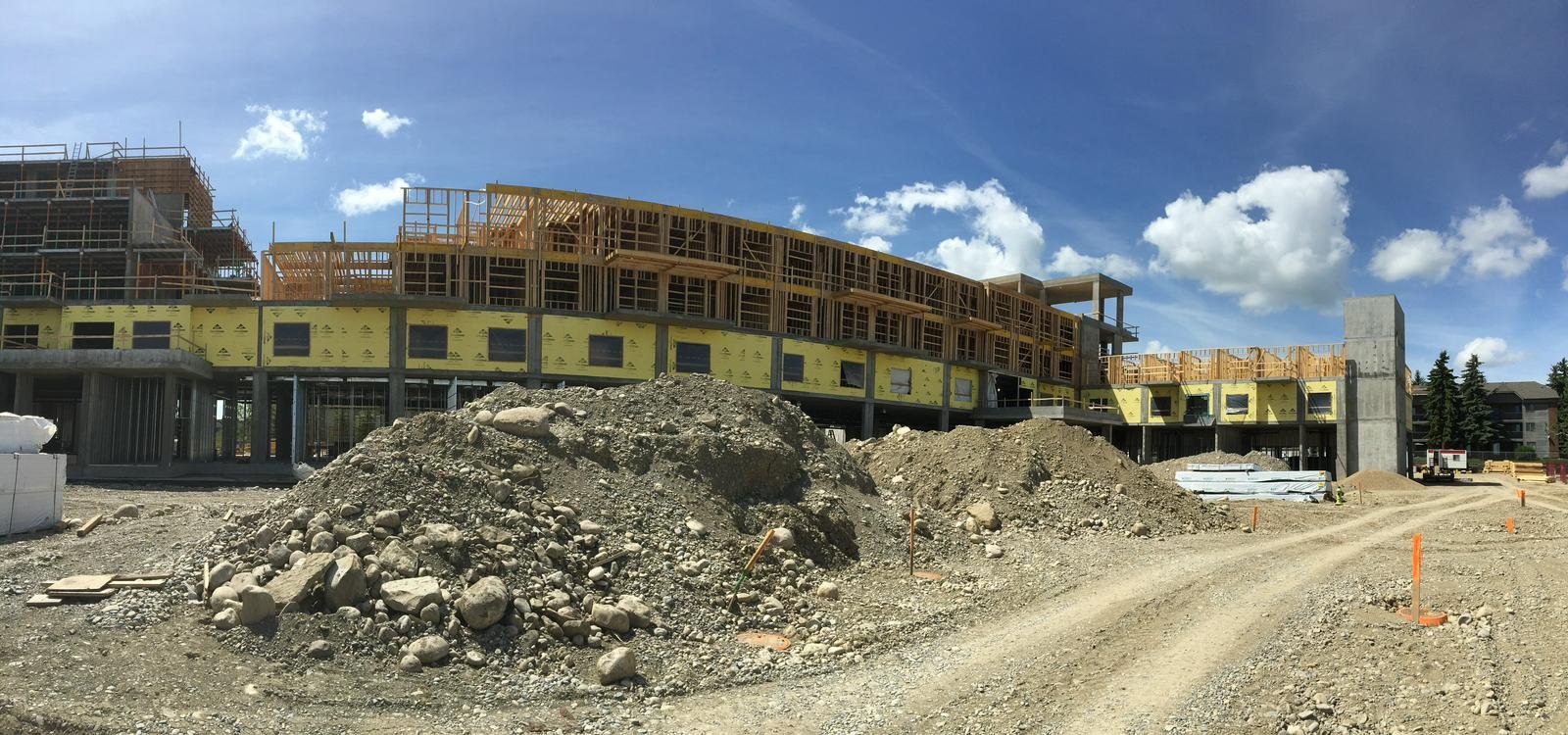
Every strong structure starts long before concrete is poured. The true foundation of any successful construction project lies in accurate, professional site assessments. From identifying soil conditions to planning safe formwork installation, site assessments play a critical role in ensuring durable, safe, and cost-effective concrete foundations.
At Pierrefect Formwork, site assessments are not treated as a formality—they are the backbone of every project. A thorough site evaluation allows construction teams to minimize risk, prevent costly errors, and deliver concrete foundations built to last.
In this blog, we’ll explore how professional site assessments directly improve concrete foundation outcomes and why skipping this step can compromise structural integrity.
What Are Site Assessments in Construction?
Site assessments are detailed evaluations conducted before construction begins. They analyze the physical, environmental, and structural conditions of a site to determine how a foundation should be designed and built.
A comprehensive construction site assessment typically includes:
- Soil testing and ground condition analysis
- Load-bearing capacity evaluation
- Drainage and water table review
- Topography and slope inspection
- Accessibility and equipment planning
- Safety and compliance checks
These assessments provide essential data that guides foundation design, formwork installation, and concrete cribbing strategies.
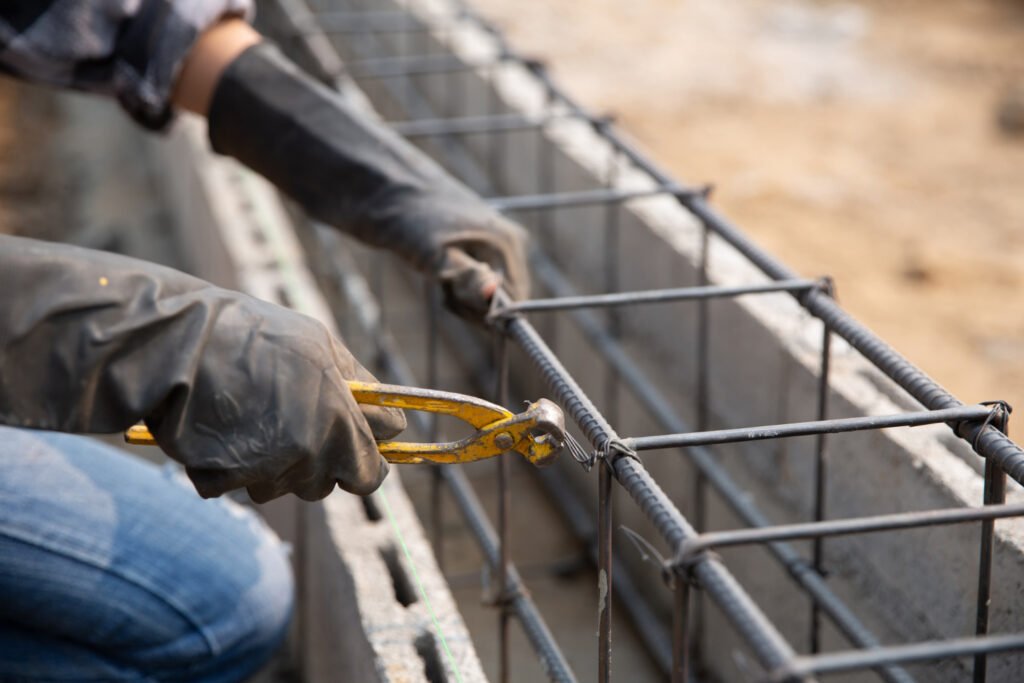
Why Site Assessments Are Critical for Concrete Foundations
Concrete foundations are only as strong as the ground beneath them. Without accurate site assessments, projects face risks such as settlement, cracking, water damage, and even structural failure.
Key benefits of professional site assessments include:
- Improved foundation stability
- Reduced construction delays
- Accurate material planning
- Enhanced worker safety
- Compliance with engineering and building codes
By identifying potential challenges early, site assessments allow teams to design foundations that respond to real-world site conditions—not assumptions.
Site Assessments and Soil Analysis: The First Line of Defense
One of the most important components of site assessments is soil evaluation. Different soil types behave differently under load, moisture, and temperature changes.
Common soil conditions assessed include:
- Clay soils (high expansion and shrinkage)
- Sandy soils (good drainage but lower cohesion)
- Loam soils (balanced and ideal)
- Rocky or mixed soil profiles
Through proper soil assessment, engineers can determine:
- Required foundation depth
- Type of footing or slab needed
- Reinforcement requirements
- Need for soil stabilization or concrete cribbing
Ignoring soil conditions is one of the most common causes of foundation failure—making site assessments non-negotiable.
How Site Assessments Improve Formwork Installation
Accurate site assessments directly influence successful formwork installation. When site conditions are clearly understood, formwork systems can be selected and installed with precision.
Site assessments help determine:
- Appropriate formwork type (steel, plywood, modular)
- Bracing and support requirements
- Load distribution during concrete pouring
- Placement of temporary supports and cribbing
With proper assessment data, formwork can be installed level, plumb, and stable—reducing the risk of deformation or collapse during concrete placement.
Pre-Construction Site Assessments Reduce Costly Errors
One of the biggest advantages of professional site assessments is cost control. Construction errors are far more expensive to fix after concrete is poured.
Without proper site assessments, projects may face:
- Uneven settlement and cracking
- Misaligned foundations
- Poor drainage causing water damage
- Rework and demolition costs
- Project delays and safety violations
By contrast, pre-construction site assessments identify risks early, allowing teams to adjust foundation design, excavation depth, or formwork methods before work begins.
Drainage and Water Table Evaluation During Site Assessments
Water is one of the greatest threats to concrete foundations. Poor drainage or a high water table can weaken foundations over time if not properly managed.
During site assessments, professionals evaluate:
- Natural water flow patterns
- Surface runoff risks
- Groundwater levels
- Need for drainage systems or waterproofing
This information ensures foundations are protected against erosion, hydrostatic pressure, and long-term moisture damage.
The Role of Site Assessments in Concrete Cribbing
Concrete cribbing is often required when foundations or formwork systems need additional temporary or permanent support. Site assessments determine when cribbing is necessary and how it should be implemented.
Site assessments help define:
- Load paths and weight distribution
- Cribbing placement locations
- Required cribbing strength and spacing
- Safety considerations during curing
By integrating cribbing into the foundation plan, site assessments ensure stability during every construction phase.
Safety Planning Starts with Site Assessments
Construction safety doesn’t start on the first day of work—it starts during the site assessment phase. Identifying hazards early protects workers, equipment, and the structure itself.
Safety-focused site assessments evaluate:
- Ground stability and collapse risks
- Excavation safety requirements
- Equipment access routes
- Fall hazards and restricted zones
With these insights, teams can implement safety measures such as proper shoring, barricades, and access controls before construction begins.
Site Assessments and Compliance with Building Codes
Modern construction projects must meet strict engineering standards and building regulations. Site assessments provide documented evidence that foundation designs are based on real site conditions.
This ensures:
- Compliance with local building codes
- Alignment with structural engineering plans
- Reduced inspection issues
- Smoother approval processes
For commercial and industrial projects, thorough site assessments are often a requirement—not an option.
How Site Assessments Improve Long-Term Foundation Performance
The benefits of site assessments don’t end when construction is complete. Foundations built on properly assessed sites perform better over time.
Long-term advantages include:
- Reduced cracking and settlement
- Improved load distribution
- Better resistance to environmental stress
- Lower maintenance and repair costs
A well-assessed site leads to a foundation that remains strong, stable, and reliable for decades.
Why Choose Professional Site Assessments with Pierrefect Formwork
At Pierrefect Formwork, site assessments are conducted with precision, experience, and attention to detail. Our team understands how site conditions impact formwork installation, foundation construction, and concrete cribbing.
Our site assessment approach includes:
✔ Detailed ground and soil evaluation
✔ Structural and load-bearing analysis
✔ Formwork and foundation planning support
✔ Safety and compliance checks
✔ Practical solutions for real-world conditions
By combining technical expertise with hands-on construction experience, we deliver site assessments that lead to stronger foundation outcomes.
Conclusion: Strong Foundations Start with Site Assessments
From soil conditions to safety planning, site assessments are the foundation of successful concrete construction. They eliminate guesswork, reduce risk, and ensure that every foundation is designed for strength, safety, and longevity.
Skipping or rushing site assessments can compromise the entire structure—but when done right, they set the stage for flawless execution from excavation to formwork installation and final concrete curing.
From ground to strength, site assessments turn good construction into great construction. Partner with Pierrefect Formwork to ensure your next project starts with the insights needed to build with confidence.